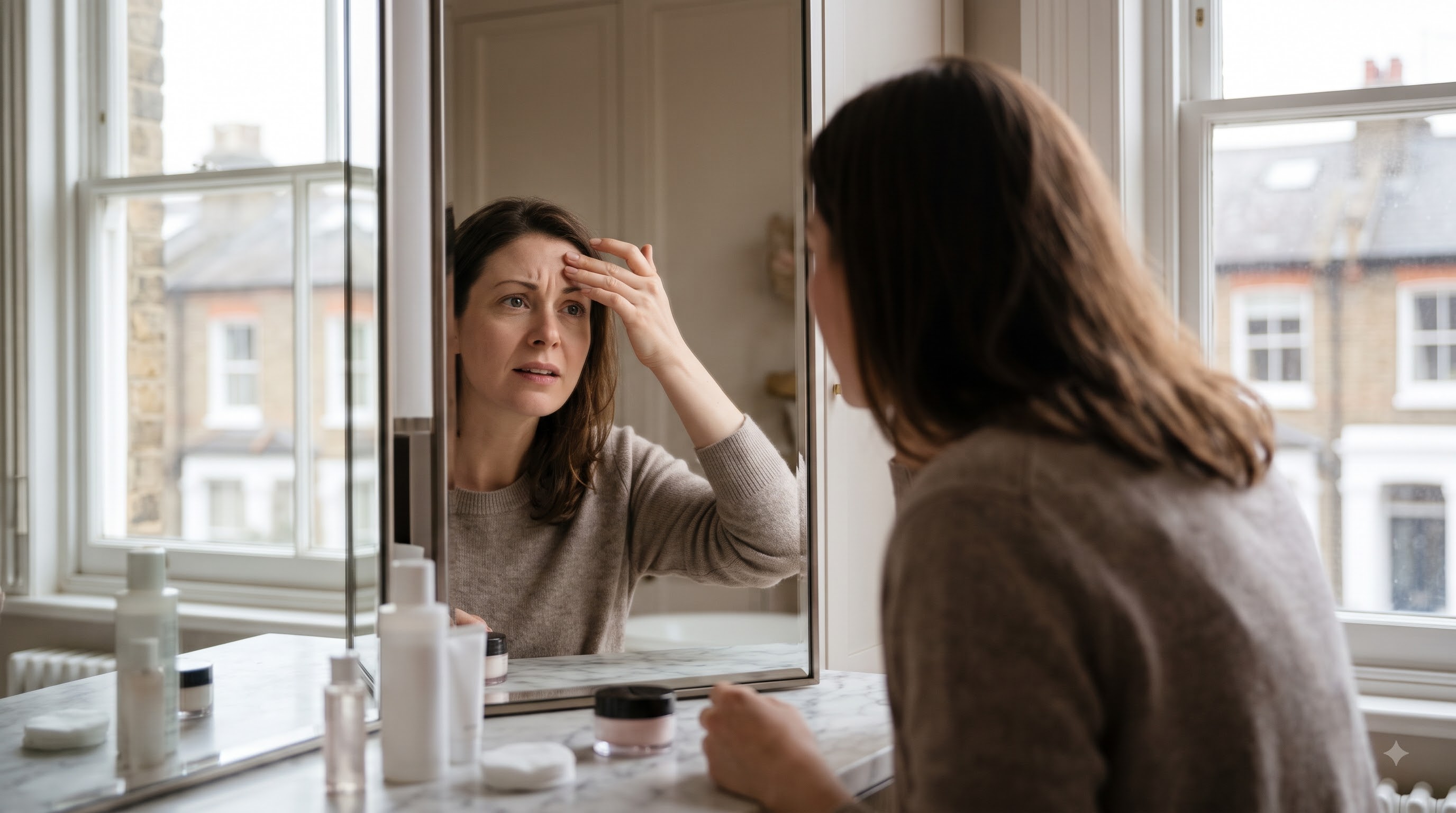
Botox is one of the most misunderstood treatments in medical aesthetics. The most common myths that patients in London hear (it freezes your face, it's only for women, anyone can inject it, cheaper is fine, it's permanent) are simply wrong.
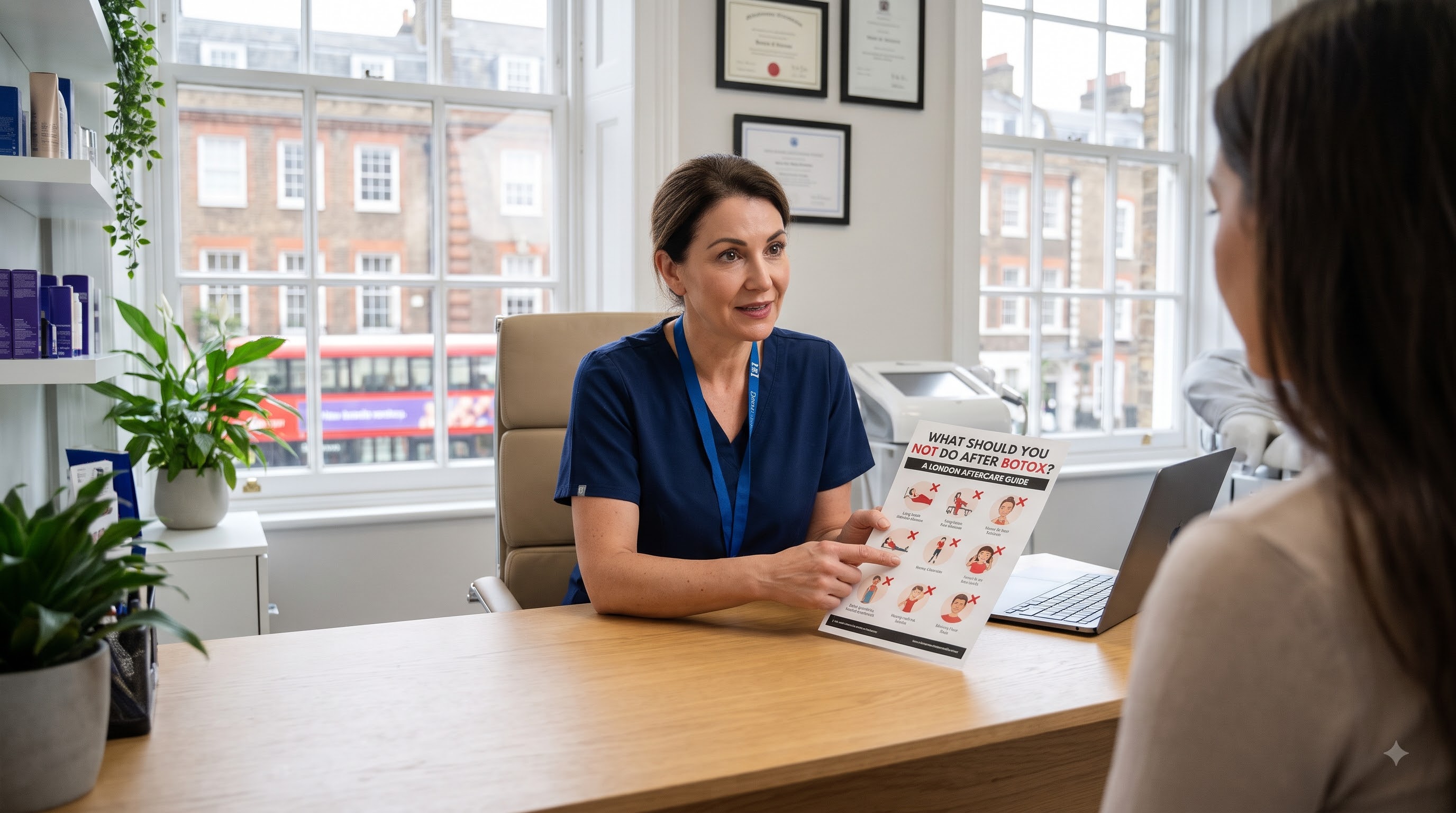
The right aftercare protects your Botox results from the moment you leave the clinic. The first four hours matter most: stay upright and keep your hands off your face.
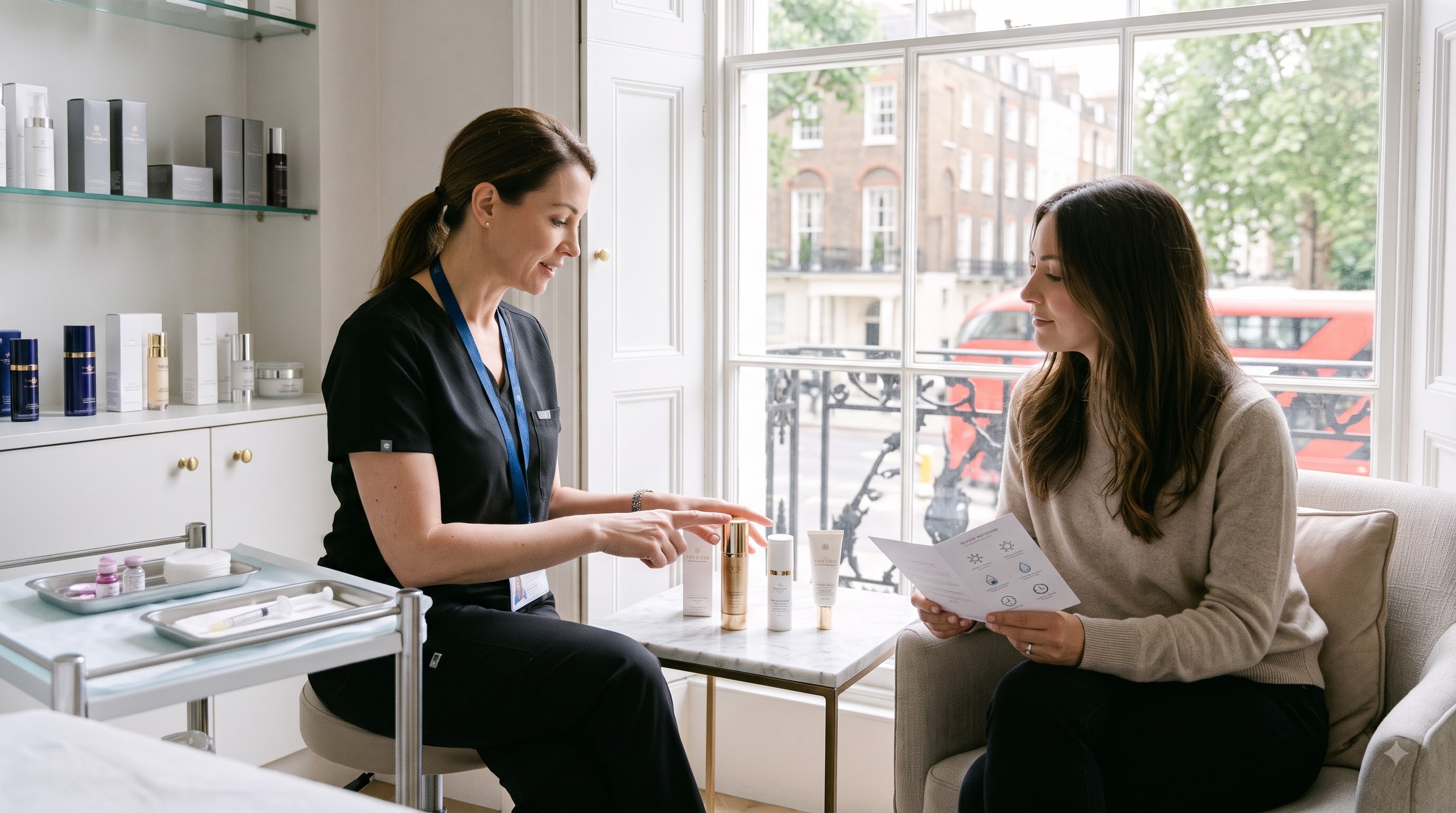
Most patients see Botox results for 3 to 4 months, but the right daily habits can extend that to 5 months or more. The biggest levers are sun protection, deep hydration, quality sleep, stress control, and smart treatment timing.
If your Botox didn't work in London, the issue usually falls into one of three buckets: complete failure (no effect), partial failure (uneven results), or early failure (faded too fast).
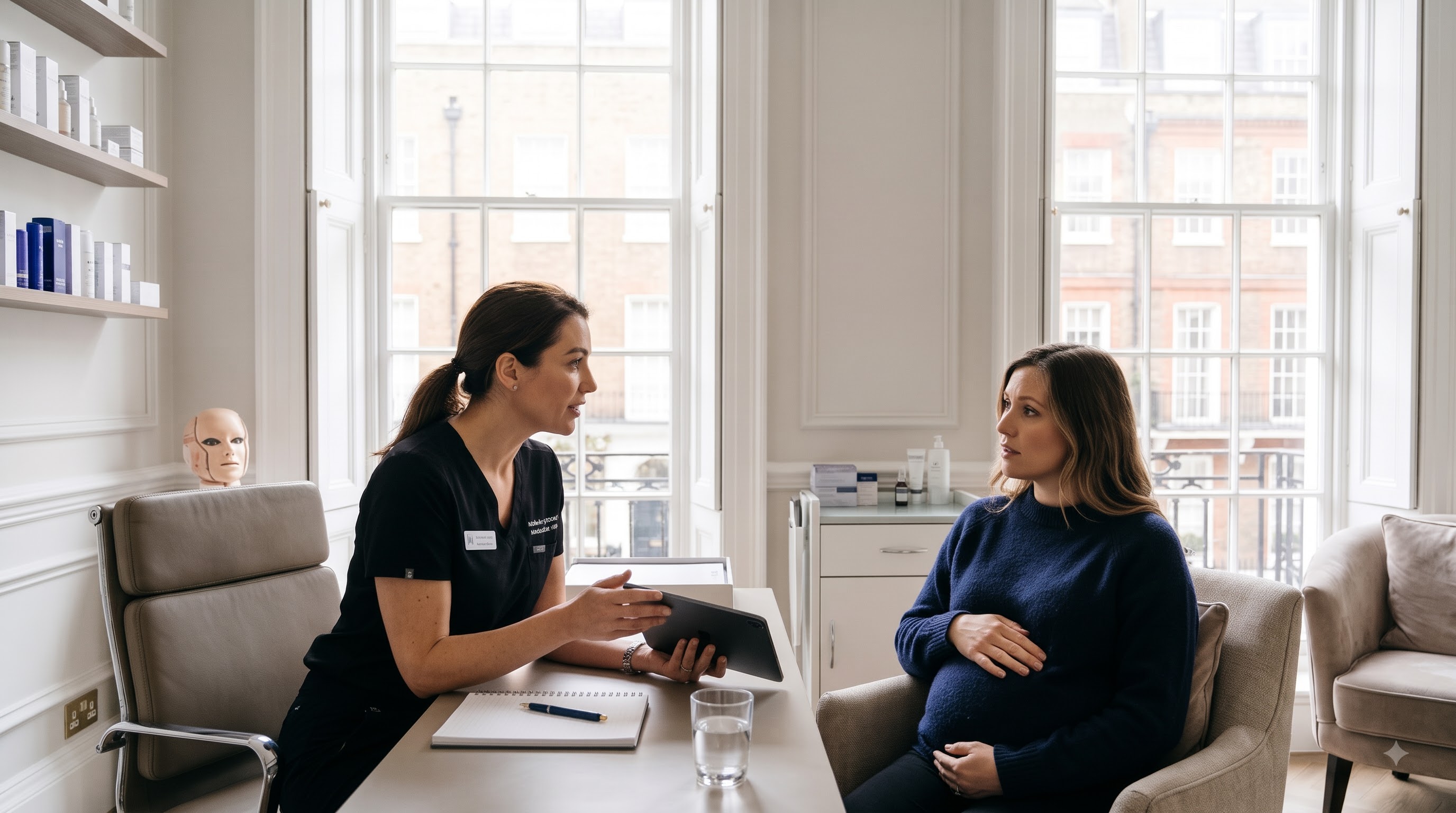
Doctors don't recommend Botox during pregnancy or breastfeeding. There aren't enough human studies to prove it's safe for your baby, so Health Canada and the FDA both advise against it.
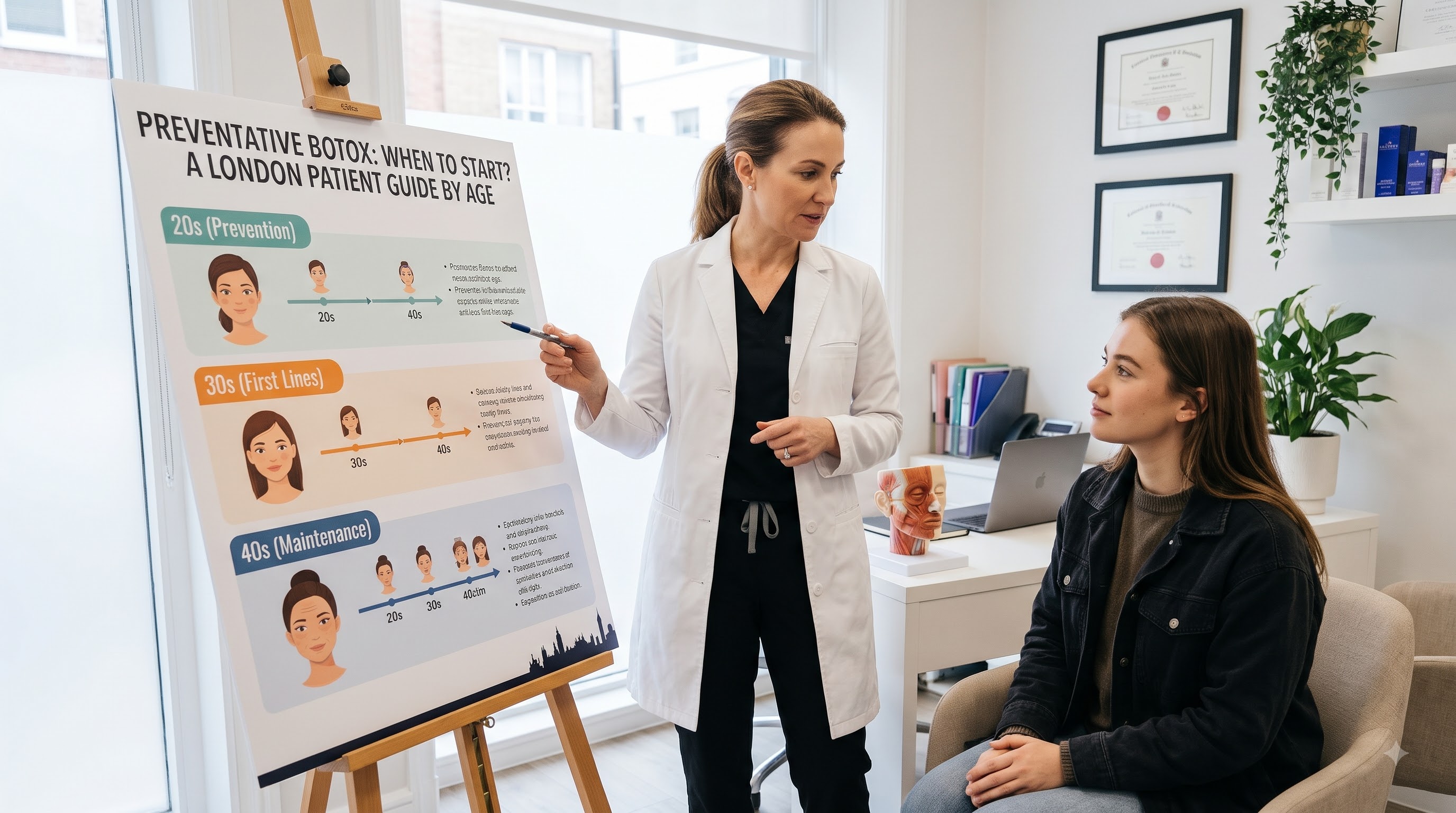
Preventative Botox uses small, early doses to relax the muscles that cause expression lines before those lines become permanent. Often called baby Botox, it's about slowing lines, not erasing them.