

Choosing a Botox treatment is about more than smoothing wrinkles; it’s about finding a safe, effective approach that fits your skin goals and expectations. With so many clinics and treatment options available, knowing what to look for can make the decision easier.
Botox is the most requested non-surgical cosmetic treatment in the world, and demand keeps climbing. If you're comparing options at medical spa centers in London, Ontario, you probably have the same questions everyone has.
- What does Botox actually do?
- Is the Botox treatment safe?
- How long do results last?
- And what should it cost in 2026?
At Aqua Medical Spa, we treat Botox as a medical procedure, not a quick favor. The product is a prescription drug in Canada, so planning and technique matter as much as the injection itself. Below you'll find how Botox works, every area and condition it can address, honest pricing, what to expect at your visit, the risks worth knowing, and how to choose the right injector in London.
- How it works. Botox relaxes specific muscles to soften the lines that come from movement, like forehead creases, frown lines, and crow's feet.
- Looks and health. It's approved in Canada for frown lines, forehead lines, and crow's feet, and for medical uses like chronic migraine and severe underarm sweating.
- Results take a few days. You'll notice changes in 3 to 4 days, with the full effect at about two weeks. Book at least two weeks before any event.
- It lasts 3 to 4 months. Results fade gradually, so most people repeat treatment three to four times a year to keep the look.
- Priced per unit. In Ontario, Botox runs about $10 to $17 per unit in 2026, so the area you treat drives your total cost.
- Safe in trained hands. Serious problems are rare when a medical professional uses genuine, Health Canada-approved product. Most side effects are mild and temporary.
- Natural, not frozen. Conservative dosing keeps your expressions. A frozen look comes from too much product, not from Botox itself.
- Off-label isn't unsafe. Uses like jaw slimming and neck bands are common and well understood. Tinnitus, though, is experimental with limited evidence.
- Your injector matters most. Botox is a prescription drug in Ontario, so medical oversight and real product count for more than the lowest price.
What Botox Is and How It Works
Botox is the brand name for a purified protein called botulinum toxin type A (produced by the bacterium Clostridium botulinum). Small doses used in a clinic are a precise medical tool, not a poison. Allergan first earned Health Canada approval for it back in 1989, so it has decades of real-world use behind it.
Here's the simple version of how it works. Your muscles move because nerves send them a chemical signal to contract. Botox blocks those signals at the spots where it's injected. The muscle relaxes, and the skin over it stops creasing.
Two things follow from that. First, Botox works best on dynamic lines, the ones caused by movement (think frowning or squinting). Second, the effect is temporary by design. The nerve signals return over time, which is why the treatment is repeated.
How fast and how long?
- Onset: You'll notice changes in 3 to 4 days. The full effect takes about one to two weeks to settle.
- Duration: Results last roughly 3 to 4 months on average, and sometimes up to 6 months.
- Maintenance: Most people return every 3 to 4 months to keep the look consistent.
- Worth knowing: Botox relaxes muscles. It does not fill hollows or replace lost volume. For that job, you'd look at dermal fillers instead. They seem synonymous, but they do different things.
Cosmetic Botox: The Facial Areas We Treat
Cosmetic Botox is officially approved in Canada to soften lines in the upper face: frown lines between the brows, horizontal forehead lines, and crow's feet at the corners of the eyes. Skilled injectors also use it in several other areas where the science and experience are well established.
Approved, on-label cosmetic areas
- Forehead lines: The horizontal lines that appear when you raise your eyebrows. Usually 10 to 20 units.
- Frown lines (the "eleven lines"): A dose of 20-30 units is required for the two vertical creases between your eyebrows.
- Crow's feet: The fan of lines beside your eyes when you smile. Usually 5- 15 units per side.
Other areas treated (off-label, but common and well-understood)
These uses aren't on the official cosmetic label, but are widely performed by experienced injectors. "Off-label" doesn't mean unsafe. It means the use is based on clinical experience and published evidence rather than the original approval. Our Botox experts know when an area falls into this group.
- Bunny lines (nose): A few units soften the little wrinkles on the sides of the nose when you scrunch it.
- Lip flip: A small dose of 4 to 6 units relaxes the upper lip, rolling it outward slightly for a fuller look.
- Gummy smile (gum show): Relaxing the muscle that lifts the upper lip can reduce how much gum shows when you smile. Usually 2 to 4 units.
- Chin: A dose of about 4 to 6 units smoothes the dimpled, "orange peel" texture some people get on the chin.
- Eyebrow lift: A few units per side. With careful placement, the tail of the brow can be lifted for a more open eye.
- Neck bands and necklace lines: The vertical cords on the neck (platysmal bands) are softened. This is sometimes called a Nefertiti lift. It can sharpen the jawline, though it does not lift truly loose, sagging skin. Often 25 to 50 units.
- Jawline slimming and the masseter: Relaxing the chewing muscle can slim a square jaw and ease clenching.
A note on sagging skin: Botox treats muscle activity, so it's excellent for movement lines and certain neck cords. It can't tighten skin that has lost its elasticity. If skin laxity is your main concern, treatments like PRP therapy or skin resurfacing are a better fit, and we'll say so honestly during your consult.
Medical Botox: Treating More Than Wrinkles
Botox started as a medical treatment. Health Canada has approved it for a list of medical conditions, and Allergan's onabotulinumtoxinA has held approvals here for decades. The Health Canada product record lists approved uses, including:
- Chronic migraine
- Excessive underarm sweating
- Cervical dystonia
- Muscle spasticity
- Overactive bladder
- Eye-muscle disorders
Chronic Migraines and Chronic Headaches
Botox was approved in Canada in 2011 to prevent chronic migraine, which doctors define as 15 or more headache days a month. It's given as a set of small injections across the head and neck, and the typical dose is between 155 and 195 units. It won't stop a migraine that's already started. Instead, it's a preventive treatment that aims to reduce migraine attacks.
Reviews of the major trials found Botox reduced headache days by roughly 1.5 to 2 days per month compared with placebo. That's meaningful for many people who've tried everything else, but it isn't a cure. Since it is a medical use, a part of the total cost may be covered by insurance plans.
Excessive Sweating (Hyperhidrosis)
Botox is approved in Canada to treat severe underarm sweating (primary axillary hyperhidrosis) that doesn't respond to strong antiperspirants. It works by blocking the nerve signals that switch on your sweat glands, and the results in the underarms can last several months.
Many clinics, including ours, also treat the palms and feet that oversweat. Those areas are off-label, but the approach is well known. If sweating is disrupting your work or confidence, it's worth a conversation with our experts.
TMJ, Jaw Clenching, and Teeth Grinding
If you clench or grind (bruxism), the masseter muscle along your jaw can become overworked, sore, and bulky. Relaxing it with Botox can ease jaw tension, reduce grinding, and give you a square jawline as a bonus. This use is off-label in Canada, but it's a common treatment performed by trained injectors and dentists. Bruxism typically needs about 25 to 30 units per side.
Neck Pain and Related Tension
Botox is approved for cervical dystonia, a neurological condition that causes painful, involuntary neck muscle contractions. Some clinics also use it for muscle-driven neck and shoulder tension. This use is an off-label use. Evidence for general, everyday neck pain is mixed, and Ontario's public drug program does not list Botox for ordinary neck pain. We'll give you a straight answer about whether it's a sensible option for your situation.
Tinnitus and Other Emerging Uses
Some patients ask about Botox for tinnitus (ringing in the ears). We want to be honest here: this is experimental. There's no Health Canada approval and only limited research, so we don't present it as a proven fix. If muscle tension around the jaw or neck is contributing to your symptoms, treating that may help indirectly, but we won't promise a result that the evidence can't support. Experimental uses for curing tinnitus lack solid evidence.
What does Botox cost at a Medical Spa in London, Ontario, for patients to use?
Let's talk money, because vague pricing helps no one. In Ontario, Botox is priced per unit, not per area. Market pricing across the province in 2026 generally runs $10 to $17 per unit, with most reputable clinics sitting around $11 to $15. Our 2026 London Botox pricing breakdown explains the costs in more detail. The number of units you need depends on your muscles, your goals, and the areas treated.
Since price is per unit, the area you treat drives the total. Here's a realistic guide based on common Ontario unit ranges and typical per-unit pricing. Your exact plan is set at your consultation.
| Treatment area | Typical units | Estimated cost* |
|---|---|---|
| Forehead lines | 10 to 20 | $110 to $300 |
| Frown / eleven lines | 20 to 30 | $220 to $450 |
| Crow's feet (both sides) | 10 to 30 | $110 to $450 |
| Bunny lines (nose) | 5 to 10 | $55 to $150 |
| Lip flip | 4 to 6 | $45 to $90 |
| Gummy smile | 2 to 4 | $20 to $60 |
| Chin smoothing | 4 to 6 | $45 to $90 |
| Jaw/masseter (per side) | 20 to 30 | $220 to $450 |
| Neck bands | 25 to 50 | $275 to $750 |
*Estimates use a $11 to $15 per-unit range for illustration. Final pricing is confirmed at your consultation.
A full upper-face treatment (forehead, frown lines, and crow's feet) often uses 50 to 80 units total. At Ontario's common rates, it costs $550 to $880 per session. Since results last 3 to 4 months, plan for 3-4 sessions a year to maintain the effect.
What to Expect: Your Botox Appointment, Step by Step
A Botox visit is quick and low-drama. From walking in to walking out, most appointments take 15 to 45 minutes. Here's how a visit to our London clinic on Wonderland Road North usually goes.
- Consultation and mapping: We review your health history, current medications, and goals, and map the muscles to treat and agree on a treatment plan and price.
- Preparation: We clean the area. If you'd like, we can apply a numbing cream, though most people find the pinch tolerable.
- Injections: Using a very fine needle, we place small amounts into the mapped points. This part usually takes just a few minutes.
- Aftercare: Take it easy for a few hours. Stay upright, skip heavy workouts, rub the area for the rest of the day, and avoid lying flat right away.
- Follow-up: We'll check your results around the two-week mark and fine-tune if needed. Small adjustments are normal.
Before your appointment, it helps to avoid blood thinners, alcohol, and certain supplements for 24 to 48 hours, since they can increase bruising. We'll send specific instructions when you book. For a more detailed walkthrough, check our guide to your first Botox appointment to feel more confident.
Aftercare at a Glance:
| For the first 24 hours, DO | For the first 24 hours, DON'T |
|---|---|
| Stay upright for about 4 hours | Lie flat or nap right after treatment |
| Use your facial muscles gently and normally | Rub, massage, or press the treated area |
| Keep the area clean and go makeup-light | Do heavy workouts or hot yoga |
| Drink water and rest as usual | Drink alcohol or sit in saunas and hot tubs |
For more detailed guidance on what to avoid, check our Botox aftercare do's and don'ts.
Botox Results: Timing, Longevity, and Maintenance
Botox isn't instant, and that's normal. You'll see the first softening in 3 to 4 days. The full result settles in two weeks once the muscles fully relax. So if you have an event, book at least two weeks ahead.
On average, results hold for 3 to 4 months, sometimes up to 6. As the effect fades, movement and lines gradually return. They don't come back worse than before, which is a common myth. To help maintain your results, explore our tips for making Botox results last. With regular treatment, some people find they need slightly fewer units over time because the muscle learns to relax.
Results also look most natural when you don't overdo it. We aim for a refreshed, rested look that still moves and expresses. You can see real examples in our before-and-after treatment gallery.
Botox Safety, Side Effects, and Who Should Wait
Botox has a strong safety record when it's given by a trained medical professional using genuine product. A large review of facial Botox treatments found that serious problems are rare. Still, no medical treatment is risk-free, and honesty matters more than hype.
Common, mild, and temporary
- Small bruises, redness, or swelling at the injection points
- Mild tenderness or a brief headache
- A heavy or slightly uneven feeling for a few days as the product settles
Rare but serious
In rare cases, the toxin can spread beyond the injection site. Canadian health information warns this can cause problems with swallowing or breathing, which is why product choice, dosing, and injector skill are not places to cut corners. Tell your injector right away about any trouble swallowing, breathing, or speaking after treatment.
Who should not get Botox (or should wait)
- Pregnant or breastfeeding ladies should avoid Botox treatment.
- Anyone with certain neuromuscular conditions (for example, myasthenia gravis)
- People with an allergy to any ingredient in the product
- Anyone with an active skin infection at the injection site
This is exactly why a consultation comes first. We screen for these before we ever pick up a needle.
How to Choose a Medical Spa in London for Botox?
Botox is a prescription drug in Ontario, so the person holding the needle matters. When you choose a medical spa in London for injectables, check the fundamentals.
- Medical oversight: Treatment should be done by, or under the direction of, a physician, nurse practitioner, or trained registered nurse. Ask who is injecting and what their training is.
- Genuine, traceable product: Authentic Botox is sourced from approved suppliers and stored properly. A reputable London medical spa will happily confirm this.
- A real consultation: You should get an assessment, a written plan, an honest talk about risks and alternatives, and clear pricing before treatment, not a rushed upsell.
- Conservative philosophy: The best injectors aim for natural movement, not a frozen look, and they invite you back for a check.
- Local reputation: Read reviews from real patients in your area, and ask to see relevant before-and-after photos.
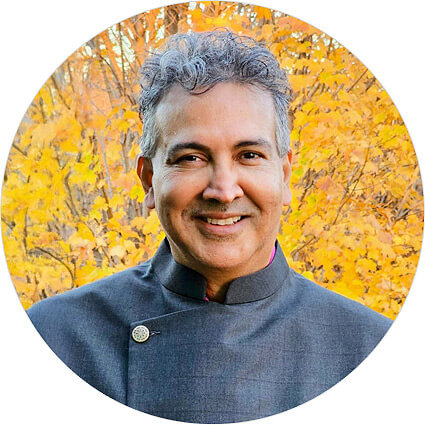
At our clinic, every plan starts with Dr. Armogan and our team, who have served London for over 20 years. Book a consultation and see how our experts make your skin shine.
Botox Compared to Fillers and Other Options
Most patients are confused between Botox and dermal fillers. They solve different problems. A quick comparison clears it up.
| Feature | Botox | Dermal fillers |
|---|---|---|
| What it does | Relaxes muscles to soften movement lines | Adds volume to fill hollows and plump areas |
| Best for | Forehead, frown lines, crow's feet | Cheeks, lips, under-eyes, deep folds |
| Results show | 3 to 4 days, full in ~2 weeks | Immediately |
| Lasts | 3 to 4 months | 6 to 18 months |
Many patients combine the two for a balanced result, relaxing the upper face with Botox and restoring volume with dermal fillers. For texture, tone, and skin quality, treatments like PRP therapy or resurfacing may suit you better. The right mix depends on your face, which is what the consultation is for.
Botox, Dysport, Xeomin, and Nuceiva: The Brands Explained
"Botox" is a brand name, not the only option. Several botulinum toxin type A products are approved in Canada, and they're more alike than different. Compare the options when you choose between Botox brands. Allergan's Botox was approved here in 1989, Dysport followed in 2009, and Xeomin in 2010. Nuceiva is a newer type A neuromodulator also available in Canada.
They all work the same way: relax the targeted muscle. The practical differences are in how they spread, how quickly some patients feel them, and how they're dosed. Dysport units are not the same size as Botox units (it takes roughly two to three Dysport units to match one Botox unit), so comparing brands purely on "price per unit" is misleading.
| Brand | Approved in Canada | Notes |
|---|---|---|
| Botox | 1989 | The original and most recognized benchmark for dosing. |
| Dysport | 2009 | Different unit scale; some find a slightly quicker onset. |
| Xeomin | 2010 | A “naked” formula with fewer added proteins. |
| Nuceiva | Newer | Another type A option. |
Preventative Botox: Should You Start Younger?
A growing number of patients in their late 20s and early 30s ask about "preventative" Botox. The idea is simple: softening a muscle before deep, etched-in lines form. Our preventative Botox age guide clears up the facts on when it may be worth considering. It may slow the formation of those lines. Industry data shows neuromodulators are now the top minimally invasive treatment among younger adults, so the trend is real.
Here's our honest take. There's no fixed age to start, and starting early is not required. The right time is when dynamic lines start to linger after your face relaxes, and treating them fits your goals and budget.
Common Botox Myths, Cleared Up
Botox attracts a lot of misinformation. We have a detailed guide to common Botox myths and facts covering all the information. However, the worries below are often asked by clients.
"Botox will freeze my face."
Only if it's overdosed. If used conservatively and placed well, Botox softens lines while leaving natural movement. A frozen look is a sign of too much product, not the treatment itself.
"Once you start, you can never stop."
Not true. Botox isn't addictive, and stopping doesn't cause harm. If you stop, your muscles return to how they moved before, and lines come back gradually. They don't get worse than they would have anyway.
"It's a dangerous toxin."
The doses used in a clinic are tiny and controlled. There's a decade of medical experience behind every treatment. The real risk comes from untrained injectors or fake product, which is why where you go matters more than the substance itself. You can explore our range of Botox treatment products at Aqua Medical Spa for a better understanding.
"My body will build up immunity."
This is rare with the small doses used for cosmetic treatment. If results seem to fade faster over time, it's more often about dosing or muscle strength than true resistance, and it's something we adjust for. Our guide to why Botox results disappoint covers other common reasons treatment may seem ineffective.
"Botox is just for women."
Not at all. More men are choosing Botox every year, both for lines and for medical reasons like jaw clenching and migraines. Men's muscles are often stronger, so they may need more units, and we adjust technique to keep results looking masculine and natural.
Frequently Asked Questions
1. Does Botox hurt?
Not much. Most people describe it as a quick pinch or light pressure at each point. The needle is very fine, the injections take only a few minutes, and numbing cream is available if you'd like it.
2. How long until I see the Botox treatment result?
You'll usually notice softening in 3 to 4 days, with the full effect in two weeks.
3. How long does Botox last?
On average, 3 to 4 months, and sometimes up to 6. As it wears off, movement and lines gradually return, so most people repeat treatment a few times a year.
4. How much does Botox cost in London, Ontario?
Botox is priced per unit. In Ontario, that's generally $10 to $17 per unit in 2026, so your total depends on how many units your areas need. A full upper-face treatment often costs around $550 to $880.
5. Is Botox Treatment safe?
Yes, when it's given by a trained medical professional using a genuine product. Side effects are usually mild and temporary, like small bruises. Serious problems are rare, and a consultation screens for reasons to wait.
6. Will Botox make my face look frozen?
No. A frozen look comes from overdosing. We use conservative doses and aim for a natural, rested result that still moves and expresses.
7. What areas can Botox treat?
Common areas include the forehead, frown lines, crow's feet, bunny lines on the nose, a lip flip, a gummy smile, the chin, the jawline, and neck bands. Approved cosmetic uses are the forehead, frown lines, and crow's feet.
8. Can Botox help with jaw clenching or TMJ?
Yes, it can. Relaxing the masseter (jaw) muscle eases clenching and grinding and can slim a square jaw. This use is off-label but commonly performed.
9. What's the difference between Botox and fillers?
Botox relaxes muscles to soften movement lines. Fillers add volume to fill hollows or plump areas. They solve different problems and are often combined for a balanced result.
10. Is there downtime after Botox?
Almost none. Most people return to normal activities right away. Just stay upright, skip heavy exercise, and avoid rubbing the area for the rest of the day.
Book your Botox Consultation in London.
Curious whether Botox is right for you? Book a free assessment with Dr. Armogan and our team at our Wonderland Road North clinic. We'll map your areas, explain your options, and give you clear pricing. You can also call us at (519) 681-2800, and we'll build a plan around your face and budget.