

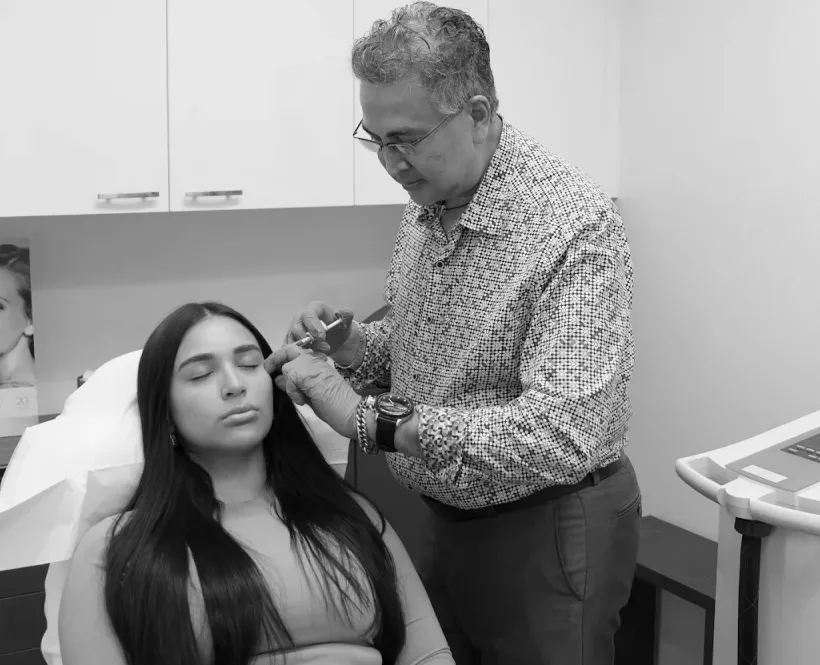
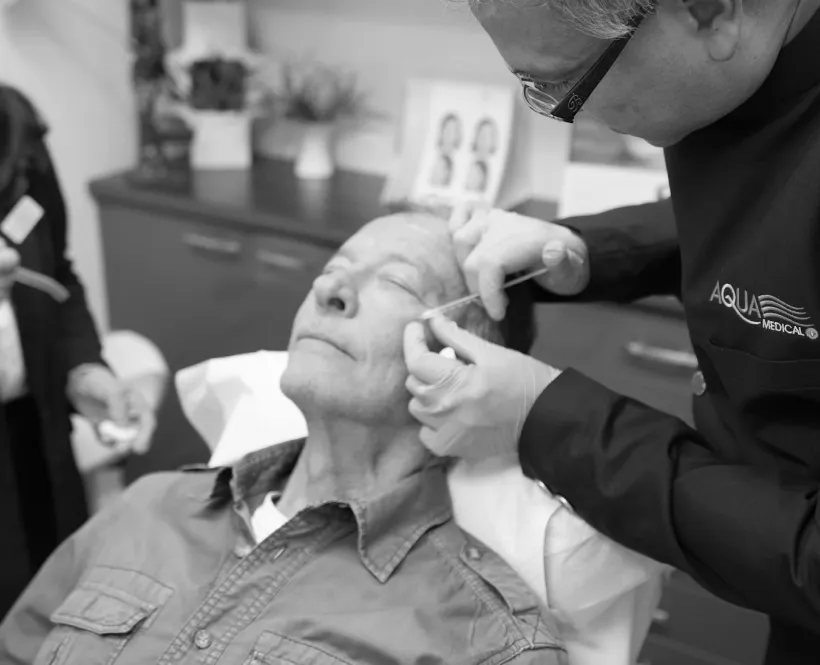


Aqua Medical Spa in Mississauga offers physician-led Photo Dynamic Therapy (PDT)—a two-phase medical skin treatment that combines a topical photosensitizing agent with controlled light activation to selectively destroy damaged, abnormal, or overactive cells beneath the skin’s surface. Unlike treatments that work only on the skin’s outermost layer, PDT penetrates into the pilosebaceous unit and the dermal-epidermal junction, making it one of the most effective clinical options for persistent acne, sun damage, and precancerous actinic keratosis.
Dr. Armogan personally evaluates every PDT patient at our Mississauga clinic to determine the appropriate photosensitizer incubation time, light source, wavelength, and exposure duration based on your specific condition, often complemented by Intense Pulsed Light treatments to further enhance skin clarity and pigmentation correction. This is not an off-the-shelf protocol—each variable is adjusted to match the depth, severity, and type of skin concern being treated, ensuring the light activation phase targets the right cells at the right depth and intensity.
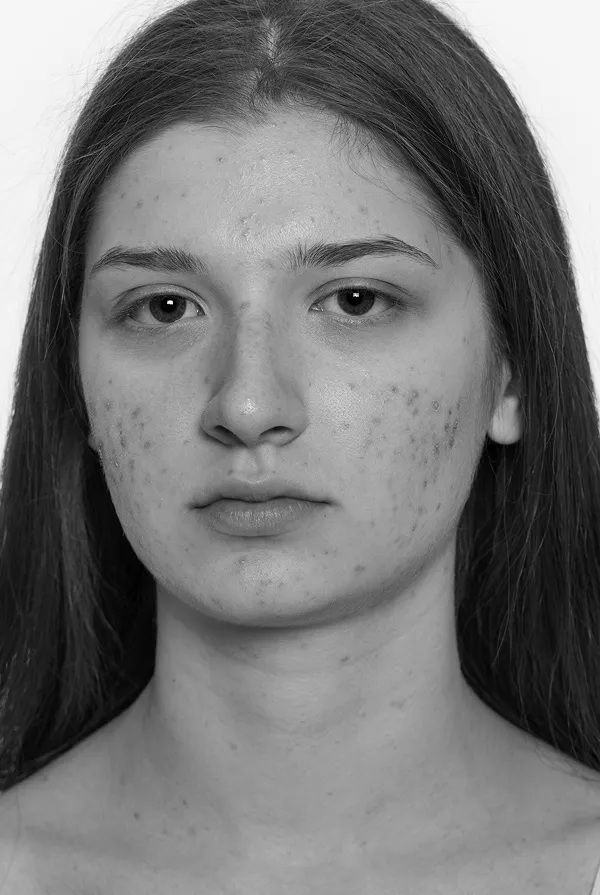

Our Mississauga PDT team delivers targeted photodynamic treatments across the following zones:
Photo Dynamic Therapy is one of the most powerful tools in clinical dermatology—but its effectiveness depends on precise control of three critical variables: the photosensitizer type and incubation time, the light source wavelength and power density, and the total light dose delivered to the tissue. At Aqua Medical Spa in Mississauga, Dr. Armogan manages each of these variables based on a thorough assessment of your skin condition, the target pathology, and your tolerance—ensuring every PDT session delivers maximum therapeutic benefit with appropriate recovery.
Our Mississauga clinic uses advanced PDT light sources calibrated for dermatological applications—not the broad-spectrum or low-power devices sometimes used at non-clinical facilities. This equipment specificity, combined with Dr. Armogan’s hands-on supervision and years of PDT experience, enables us to effectively treat conditions such as treatment-resistant acne and actinic keratosis that have not responded adequately to topical medications or other aesthetic treatments.
Customized PDT settings for precision and safety.
Your PDT protocol is tailored to the exact condition being treated.
Targets bacteria, oil glands, and damaged cells.
Medical-grade PDT light activation systems designed specifically for dermatological photodynamic therapy.

During your complimentary consultation at our Mississauga clinic, Dr. Armogan will evaluate your skin, review your medical history and medication list, and determine whether PDT is the safest and most effective treatment for your specific condition.


From the moment I stepped into this facility it felt very warm & welcoming. When I told them my concerns they were very caring & they walk me through all the different options & steps that they were to help me with my skin condition. I didn’t feel that they were rushing me they took their time to address all my concerns. Especially Whitney she was very helpful & the rest of the staff they all were amazing.

I have been a client at Aqua Medical Plus for two decades now. I value the personal care that Dr. Armogan, Vimal & their team have provided throughout the years. Jessica performs the most beautiful, calming microdermabrasions. She is also one of the most sincere & caring people I have ever met.
I've been a loyal client of Aqua Medical Plus for many years, & I can confidently say they offer exceptional service. The staff are not only friendly but also incredibly knowledgeable. Jessica, in particular, stands out as she consistently goes above & beyond to ensure every visit is pleasant & efficient. Dr. Armogan & Vimal have created a welcoming atmosphere where you're treated like family rather than just a patient.
Today was my first time visiting Aqua Medical Spa & I really enjoyed my experience. I was welcomed right away upon arrival & I was seated on their beautiful lounge area to fill out my forms. The microdermabration treatment I received today from Jessica was AMAZING. Her professionalism & knowledge on the entire application & use of product was beyond exceptional. I would definitely recommend this location for your next visit!
I keep coming, pretty addictive, & as an senior it's rejuvenating! Jessica is so warm & calm that I can trust her with any of my treatments.
Had a really wonderful microdermabrasion session with Jessica. The spa is clean & comfortable & the staff are very friendly. The microdermabrasion treatment was super relaxing (almost fell asleep!) & my skin was clean, refreshed, & less dull afterwards. Jessica is very knowledgable, explained everything in detail, & gave me lots of pointers on how to care for my skin type. Would definitely recommend Aqua Medical!
Jessica, is Amazing very knowledgeable about skin needs ,I do my microdermabrasion & oxygen facial with her & almost fall asleep, so relaxing & the results are amazing 🥰
Jessica is always providing an amazing service in every aspect of my treatments. Thank you, Jessica
Great experience! Super nice, caring & informative! Jessica is amazing & have a range of options for all kinds of skin!
A huge thank you to Jessica, Vimal, Dr. Armogan, & the entire team for taking such wonderful care of my family’s beauty needs for almost a decade as clients. In such a saturated market, their trusted expertise truly sets them apart. Beyond the results, you’ve created an environment where my family feels truly welcomed & cared for.
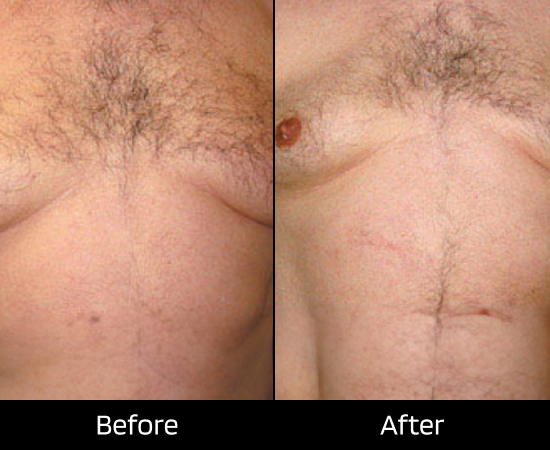
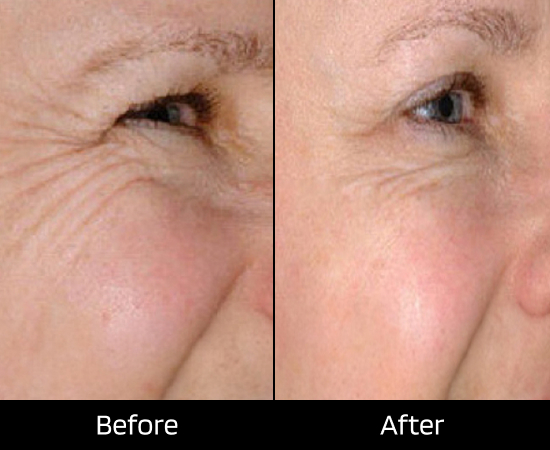
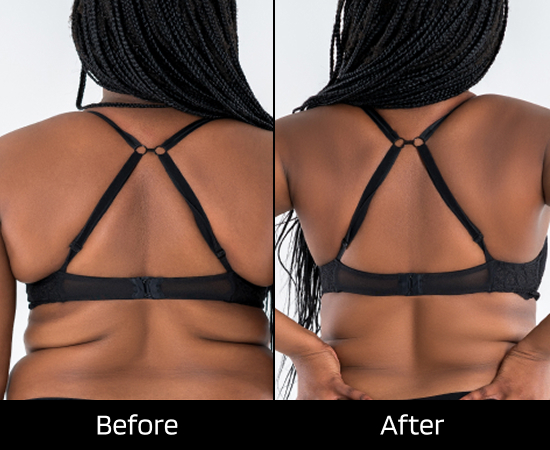
PDT is a two-phase medical skin treatment. In phase one, a photosensitizing agent (typically aminolevulinic acid or a similar compound) is applied to the skin and allowed to absorb into the target cells—particularly rapidly dividing cells, overactive sebaceous glands, and abnormal keratinocytes. In phase two, a specific wavelength of visible light is directed at the treated area, activating the photosensitizer. This activation generates reactive oxygen species that selectively destroy the targeted cells while leaving healthy surrounding tissue intact. At Aqua Medical Spa in Mississauga, Dr. Armogan calibrates every variable of this process to your specific skin condition.
PDT pricing at our Mississauga clinic depends on the treatment area, the condition being addressed, and the number of sessions in your recommended plan. Acne PDT and actinic keratosis PDT may have different pricing structures based on the complexity involved. During your free consultation, we provide a fully transparent quote with no hidden fees.
During the light activation phase, most patients experience a mild to moderate warm, tingling, or stinging sensation. The intensity varies based on the photosensitizer concentration, incubation time, and the condition being treated. For acne PDT, the sensation is generally mild. For actinic keratosis treatment with longer incubation, it can be more noticeable but remains tolerable. We monitor your comfort throughout and can adjust the light intensity or take cooling breaks if needed.
Results vary by condition. For acne, a series of PDT sessions can produce sustained improvement lasting months to over a year, particularly when combined with a good skincare regimen. For actinic keratosis, treated lesions are typically cleared permanently, though new lesions may develop over time from ongoing sun exposure. Maintenance sessions help preserve results for both conditions. Dr. Armogan will outline expected durability during your consultation.
Initial clearing and improvement are typically visible within the first 1-2 weeks as damaged cells shed and are replaced by healthy tissue. Acne patients often notice reduced breakout frequency and oil production within days of their first session. Full results—including improved texture, tone, and overall skin clarity—develop progressively over 2-4 weeks and continue improving with each subsequent treatment in your series.
For acne, most patients at our Mississauga clinic benefit from a series of 2 to 4 sessions spaced 2 to 4 weeks apart. For actinic keratosis, 1 to 3 sessions may be required depending on lesion density and location. The exact number depends on your condition severity, skin response, and treatment goals. Dr. Armogan reassesses your progress before each session and adjusts the plan accordingly.
PDT is one of the most effective clinical treatments available for moderate to severe acne that hasn’t responded adequately to topical or oral medications. It works through three simultaneous mechanisms: destroying P. acnes bacteria within the follicle, shrinking overactive sebaceous glands to reduce oil production, and reducing the inflammatory response driving the breakout cycle. Many patients experience a 50-75% or greater reduction in acne lesions after a complete PDT series.
PDT has more post-treatment sensitivity than most non-invasive aesthetic treatments. Expect 24-72 hours of redness and warmth similar to a moderate sunburn, followed by several days of mild peeling or flaking as damaged cells shed. Most patients return to work within 1-2 days. The most critical aftercare requirement is strict sun avoidance for 24-48 hours, as the photosensitizer remains active in the skin and exposure to sunlight or bright light during this window can cause a severe burn reaction.
Yes, but timing matters. PDT can be integrated into a broader skin improvement plan that includes medical facials, chemical peels, topical retinoids, and other treatments. However, these should be spaced appropriately—typically 2-4 weeks before or after a PDT session—to avoid overstressing the skin. At our Mississauga clinic, Dr. Armogan designs a comprehensive treatment timeline that sequences each modality for maximum benefit and minimum risk.
Yes. PDT has been used in dermatology for decades and has a well-established safety record when performed by trained medical professionals following evidence-based protocols. At Aqua Medical Spa, Dr. Armogan directly supervises every PDT session, controls all treatment parameters, and monitors the patient’s skin response in real time. The most important safety factor is strict post-treatment sun avoidance—which we explain in detail and reinforce with written aftercare instructions.
PDT and laser treatments work through fundamentally different mechanisms. PDT uses a chemical photosensitizer activated by light to selectively destroy specific cell types (bacteria, dysplastic cells, overactive glands). Laser treatments use focused thermal energy to resurface, stimulate collagen, or target chromophores like melanin and hemoglobin. PDT is uniquely effective for conditions where cellular selectivity matters—particularly acne, actinic keratosis, and sebaceous gland overactivity—while lasers excel at surface resurfacing and pigment/vein correction.
Yes. PDT is equally effective for men and women. Male patients at our Mississauga clinic commonly seek PDT for persistent acne (particularly along the jawline and back), sun-damaged skin on the scalp, face, and forearms, and actinic keratosis in sun-exposed areas. The treatment protocol is the same regardless of gender.
Avoid sun exposure, tanning beds, and self-tanners for at least 1 week before treatment. Discontinue retinoids and photosensitizing skincare products as directed by Dr. Armogan. Arrive at our Mississauga clinic with clean, product-free skin. Do not schedule outdoor activities for the 48 hours following your treatment, as you will need to avoid sunlight and bright light while the photosensitizer remains active.
There is no strict age limit. PDT is commonly used for younger patients in their teens and twenties managing persistent acne, and for older adults addressing actinic keratosis and cumulative photoaging. The suitability of PDT depends on the condition being treated and the patient’s overall health—not their age. Dr. Armogan will assess appropriateness during your consultation.
PDT can be performed safely across a range of skin types. Because the photosensitizer is selectively absorbed by target cells rather than by melanin in the epidermis, the pigmentation risks associated with some light-based treatments are reduced. However, patients with very dark skin tones or a history of post-inflammatory hyperpigmentation should discuss this with Dr. Armogan, who will evaluate whether PDT is the best approach or recommend an alternative with a lower pigmentation risk profile.

Take the first step toward looking and feeling your absolute best. Book your free consultation with Dr. Armogan at our Mississauga clinic and discover how Aqua Medical Spa can help you achieve your aesthetic and wellness goals with confidence and care.
Book Now